Steps to solving racism
To End Racism everyone needs to take part in in it. It needs happen on different levels. The individual level where to teach yourself the race doesn’t matter and all people are equal. Then you have the community level where you are influencing the people around them. And telling people that racism is wrong. The next level is the national level. This is where things can really change. This level is always overlooked by many people people because they don't realize that the politics can help.
INDIVIDUAL LEVEL
Listen to wise people and take their advice on racism and talk with people who report personal and systemic racism. Most people of color report that whites do not take claims of racism seriously. It’s time to stop protecting the idea of a post-racial society, and realize that we live in a racist one. Have important conversations within yourself about the racism that lives within you. When you find yourself making an assumption about people, places, or things, challenge yourself by asking is what you’re saying about someone true, or if it is something you have simply been taught to believe by a racist society. Do not fixate on difference, though it is important to be aware of it and the implications of it know racism when you see it.
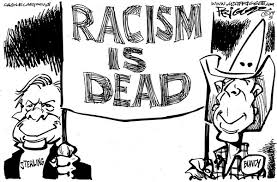
AT THE COMMUNITY LEVEL
If you see something, say something. Step in when you see people being treating badly or unfairly because of their race happening, and disrupt it in a safe way. Cross the racial divide by offering friendly greetings to people, without any hesitation no matter their race, gender, age, sexuality, ability, class, or housing status. Think about who you make eye contact with, nod to, or say "Hello"to while you are out in the world. If you see, hear, become aware of a pattern of preference and when something is kept out or not included, shake it up try and make a change. Respectful, friendly, everyday communication is the important qualities of community. Learn about the racism that happens where you live, and do something about it by participating in supporting anti-racist community events, protests, rallies, and programs.

The national level
Fight racism through the national-level political channels. For example, you could write senators and members of congress to demand an end to racist practices in law enforcement, the judiciary, education, or support national legislation that would criminalize racist police practices and institute ways to watch police behavior. A number of studies have found that, acceptant being equal, people of color are rejected for jobs and admission to educational institutions far greater rates than white people. You can also vote for candidates who make ending racism a priority vote for candidates of color. In today's federal government, people of color remain underrepresented. For a racially just democracy to exist, we must have accurate representation, and the governing of representatives must actually represent the experiences and concerns of our diverse population. Keep in mind that you don't have to do all of these things in your fight against racism. What's important is that we all do something.
sources and citations
Works Cited
Aristea, Charlotte And Kristina. "Racism." What Are the Causes of Racism? N.p., 01 Jan. 1970. Web. 15 May 2017.
"How Does Segregation Affect People?" Reference. IAC Publishing, n.d. Web. 15 May 2017.
Terrell Jermaine Starr / AlterNet. "7 Ways Racism Affects the Lives of Black Children." Alternet. N.p., 08 May 2015. Web. 15 May 2017.
